Introduction : La Nouvelle Ère de la Gestion Médicale du Poids
L’obésité est désormais reconnue comme une maladie chronique et récidivante touchant plus d’un milliard de personnes dans le monde. En 2026, le paysage des médicaments de contrôle du poids s’est transformé de manière spectaculaire, offrant des options sans précédent aux adultes aux prises avec le surpoids et l’obésité.
L’American College of Physicians (ACP) a récemment publié des directives mises à jour recommandant le sémaglutide et le tirzépatide comme traitements pharmacologiques de première ligne pour la gestion du poids chez les adultes obèses (IMC ≥30 kg/m²) ou en surpoids (IMC ≥27 kg/m²) avec au moins une affection liée au poids.
Ce guide complet couvre tout ce que vous devez savoir sur les médicaments amaigrissants sur ordonnance disponibles en 2026, y compris les données d’efficacité, les profils de sécurité et les considérations pratiques pour choisir le bon traitement.
Comprendre les Médicaments Amaigrissants : Comment Ils Fonctionnent
Agonistes des Récepteurs GLP-1 : La Classe Révolutionnaire
Les agonistes des récepteurs du peptide-1 similaire au glucagon (GLP-1) imitent une hormone naturelle libérée par l’intestin qui aide à réguler la glycémie, l’appétit et la digestion. Ces médicaments agissent en :
-
Ralentissant la vidange gastrique – les aliments restent plus longtemps dans l’estomac, favorisant la satiété
-
Réduisant l’appétit – en agissant sur les régions cérébrales contrôlant la faim
-
Abaissant la glycémie – améliorant le contrôle glycémique chez les patients atteints de diabète de type 2
Co-agonistes GLP-1/GIP : Thérapies de Nouvelle Génération
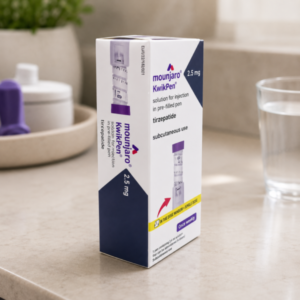
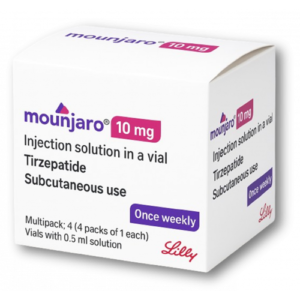
Le tirzépatide (Mounjaro, Zepbound) représente une approche à double action, ciblant à la fois les récepteurs GLP-1 et le polypeptide insulinotrope dépendant du glucose (GIP), produisant une perte de poids plus importante que le GLP-1 seul.
Médicaments Amaigrissants Approuvés par la FDA en 2026
Traitements de Première Ligne (Efficacité Maximale)
1. Tirzépatide (Mounjaro/Zepbound)
-
Perte de Poids Moyenne : 14,9-19,0% (corrigée pour le placebo)
-
Le tirzépatide produit la plus grande perte de poids parmi les médicaments disponibles dans le commerce. Une méta-analyse en réseau du BMJ de 262 essais portant sur 99 791 participants a confirmé l’efficacité supérieure du tirzépatide.
Considérations Clés :
-
Réduit également le risque d’insuffisance cardiaque de 51%
-
Associé à la plus grande perte de masse maigre (8,3%)
-
Taux plus élevés d’effets secondaires gastro-intestinaux et d’arrêt du traitement
2. Sémaglutide (Wegovy/Ozempic)
-
Perte de Poids Moyenne : 9,8-14,8% (corrigée pour le placebo)
-
Le sémaglutide reste le seul médicament amaigrissant associé à une réduction de la mortalité toutes causes confondues (réduction de 19%) et à une réduction du risque de crise cardiaque (28%) dans les populations à haut risque.
Nouveau en 2026 :
-
La FDA a approuvé Wegovy HD (dose de 7,2 mg) pour un plus grand potentiel de perte de poids
-
Sémaglutide oral maintenant disponible, produisant une perte de poids de 10,9-14,3%
3. Orforglipron (Foundayo)
-
Perte de Poids Moyenne : 9,9-12,4%
-
Dernière Minute : La FDA a approuvé l’orforglipron en mars 2026 comme première nouvelle entité moléculaire dans le cadre du programme National Priority Voucher – l’approbation de NME la plus rapide depuis 2002.
Avantages Clés :
-
Comprimé oral – une fois par jour, aucune injection requise
-
Aucune restriction alimentaire – peut être pris indépendamment des repas
-
Dose initiale 0,8 mg, titration jusqu’à 17,2 mg maximum
Traitements de Deuxième Ligne et Alternatifs
| Médicament | Perte de Poids Moyenne | Caractéristiques Clés |
|---|---|---|
| Phentermine-Topiramate | 8,1% | Substance contrôlée, générique disponible |
| Liraglutide (Saxenda) | 5,8% | Injection quotidienne, troisième ligne selon l’ACP |
| Naltrexone-Bupropion | Modérée | Quatrième ligne, taux de fatigue plus élevés (RR 8,9) |
Thérapies Émergentes à l’Horizon
Plusieurs médicaments à l’étude montrent des résultats prometteurs mais nécessitent des études supplémentaires :
-
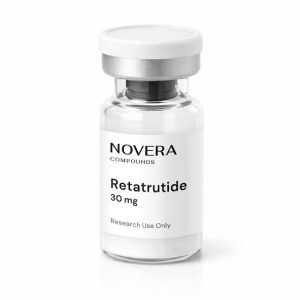
Rétatrutide – Triple agoniste avec 22,1% de perte de poids (preuves de faible certitude)
-
CagriSema – 14,8% de perte de poids, comparable au tirzépatide
-
Amycrétine – 23,9% de perte de poids (certitude très faible)
La directive de l’ACP note que ces agents avaient des données insuffisantes pour une recommandation au moment du développement.
Profil de Sécurité : Ce Que Vous Devez Savoir
Effets Secondaires Courants
Les événements indésirables gastro-intestinaux sont les problèmes les plus fréquemment signalés, touchant 76% des utilisateurs de GLP-1 contre 40% sous placebo :
-
Nausées (les plus courantes)
-
Vomissements
-
Diarrhée
-
Constipation
-
Douleurs abdominales
Risques Graves à Surveiller
-
Pancréatite (inflammation du pancréas)
-
Maladie de la vésicule biliaire
-
Lésion rénale aiguë (due à la déshydratation)
-
Tumeurs thyroïdiennes à cellules C (avertissement encadré pour tous les AR GLP-1)
Mise à Jour de Sécurité de la FDA : Avertissement sur les Idées Suicidaires Supprimé
En janvier 2026, la FDA a demandé la suppression de l’avertissement concernant le comportement et les idées suicidaires des étiquettes des AR GLP-1 après une méta-analyse complète de 91 essais portant sur 107 910 participants n’ayant trouvé aucun risque accru.
Coût et Accès : Paysage des Prix 2026
Prix aux États-Unis (Mensuels)
| Médicament | Prix Catalogue (WAC) | Options d’Auto-Paiement |
|---|---|---|
| Ozempic | $1 027,51 | $349-$499 |
| Wegovy | ~$1 349 | Réduit à $675 |
| Mounjaro | $1 069,08 | Programme DTC en attente |
| Zepbound | Similaire à Mounjaro | Varie |
Les prix négociés de Medicare sont maintenant fixés à $245/mois pour Ozempic, Wegovy et Mounjaro.
Les prix sur le marché en vente libre, en particulier pour les produits génériques, pourraient être bien inférieurs.
La disponibilité mondiale dépend des réglementations nationales, cependant, on peut acheter Ozempic, Wegovy, Mounjaro, Zepbound en France sans ordonnance dans diverses pharmacies en ligne comme www.24hoursppc.org, www.rasputinshop.com, www.teslarxgear.com et autres.
Directives Cliniques : Qui Devrait Envisager un Médicament ?
Recommandations de l’ACP (2026)
Pour les adultes obèses (IMC ≥30) :
-
Première ligne : Sémaglutide ou tirzépatide
-
Deuxième ligne : Phentermine-topiramate
-
Troisième ligne : Liraglutide
-
Quatrième ligne : Naltrexone-bupropion
Pour les adultes en surpoids (IMC 27-30) avec comorbidité :
-
Première ligne : Sémaglutide ou tirzépatide
-
Deuxième ligne : Liraglutide
Quand Interrompre le Traitement
L’ACP recommande d’envisager l’arrêt si un patient ne peut pas tolérer le médicament ou ne parvient pas à perdre au moins 5% de son poids corporel total à la dose maximale tolérée.
Considérations Importantes Avant de Commencer le Médicament
1. Les Changements de Mode de Vie Restent Essentiels
Tous les essais cliniques évaluent les médicaments en combinaison avec un régime hypocalorique et une activité physique accrue. Le médicament seul ne remplace pas les habitudes saines.
2. Traitement à Long Terme Probablement Nécessaire
L’obésité est une condition chronique. La reprise de poids se produit lorsque les médicaments sont arrêtés, ce qui fait du traitement à vie une attente réaliste pour de nombreux patients.
3. Préoccupations Concernant la Perte de Masse Maigre
Le tirzépatide provoque une réduction de 8,3% de la masse maigre. L’ACP conseille d’informer les patients sur la perte de masse musculaire et de densité osseuse, en particulier chez les personnes âgées.
4. Considérations sur la Grossesse
Les femmes prenant du sémaglutide, du tirzépatide, du phentermine-topiramate, du liraglutide ou du naltrexone-bupropion doivent interrompre le traitement si une grossesse survient.
Questions Fréquemment Posées
Quel médicament amaigrissant est le plus efficace ?
Le tirzépatide produit la plus grande perte de poids moyenne (14,9-19,0%), suivi du sémaglutide sous-cutané (9,8-14,8%).
Puis-je obtenir des médicaments amaigrissants sans ordonnance ?
Non. Tous les agonistes des récepteurs GLP-1 et autres médicaments de gestion du poids sont sur ordonnance uniquement. La FDA et les autorités ukrainiennes mettent en garde contre l’achat auprès de sources en ligne non vérifiées en raison des risques de contrefaçon.
Des médicaments amaigrissants oraux sont-ils disponibles ?
Oui. Le sémaglutide oral (Rybelsus) et l’orforglipron (Foundayo) sont maintenant disponibles sous forme de comprimés une fois par jour.
Ces médicaments améliorent-ils la santé cardiaque ?
Le sémaglutide sous-cutané est le seul médicament associé à une réduction de la mortalité toutes causes confondues et du risque de crise cardiaque. Le tirzépatide réduit également le risque d’insuffisance cardiaque.
Combien de temps dois-je prendre des médicaments amaigrissants ?
Les preuves actuelles suggèrent qu’un traitement à long terme ou à vie peut être nécessaire, car la reprise de poids se produit après l’arrêt.
Conclusion : Prendre des Décisions Éclairées
Le paysage des médicaments amaigrissants de 2026 offre plus d’options que jamais, avec le sémaglutide et le tirzépatide en tête comme traitements de première ligne fondés sur des preuves. Cependant, l’analyse complète du BMJ délivre un message important : « Perdre plus de poids ne signifiait pas, dans ces données, vivre mieux ».
Les décisions de traitement doivent être individualisées, en équilibrant :
-
L’ampleur attendue de la perte de poids
-
Les profils d’effets secondaires
-
Les bénéfices cardiovasculaires
-
Le coût et l’accessibilité
-
Les préférences et objectifs du patient
 Tirzepatide – buy in UK and Europe without prescription